BUC Centre
For Global Affairs

BUC’s Centre for Global Affairs is an independent research, analysis, and consulting think tank in Egypt. First of its kind, it aims to present world affairs from a non-partisan and uniquely Egyptian perspective.

Vision

The BUC’s Centre for Global Affairs vision is to present an unbiased, socially responsible body of research that fosters dialogue and contributes to decision and policy-making, both locally and globally.

Goals

Consult on and Contribute to Policy and Decision Making

The Centre aims to have a notable impact through unbiased and dependable research that addresses current issues and predicts possible crises. Our work aims to provide governments, policymakers, as well as the private sectors with sufficient information to build a secure and prosperous world.

Build Future Leadership

The Centre aims to prepare the next generation of experts and leaders by equipping them with the analytical and problem-solving skills necessary to influence future policies on the most pressing political issues.

Raise Political Awareness

The Centre strives to raise political awareness on local and international levels by fostering dialogue and debates on all issues of Egyptian and Global Affairs.

Present Transparent and Ground-Breaking Research

The Centre works on fostering an open-minded environment that will enable our experts to produce ground-breaking and strategically important research for a peaceful and sustainable future.

Activities

The Centre achieves its goals by conducting research, providing policy recommendations, and organizing events (panel discussions, roundtables, seminars, lectures, etc…) on issues relating to local and global political events.

The Centre’s work features issues relating to:

Global Affairs

National Political Elections, International Institutions, Environmental Politics, Refugees & Migration, and International Development.

Economics

Global Economic Governance and Trade & International Business.Global Economic Governance and Trade & International Business.

Security

Extremism and Radicalism, Cybersecurity, Counterinsurgency, Military Strategies, Defense, and Intelligence.
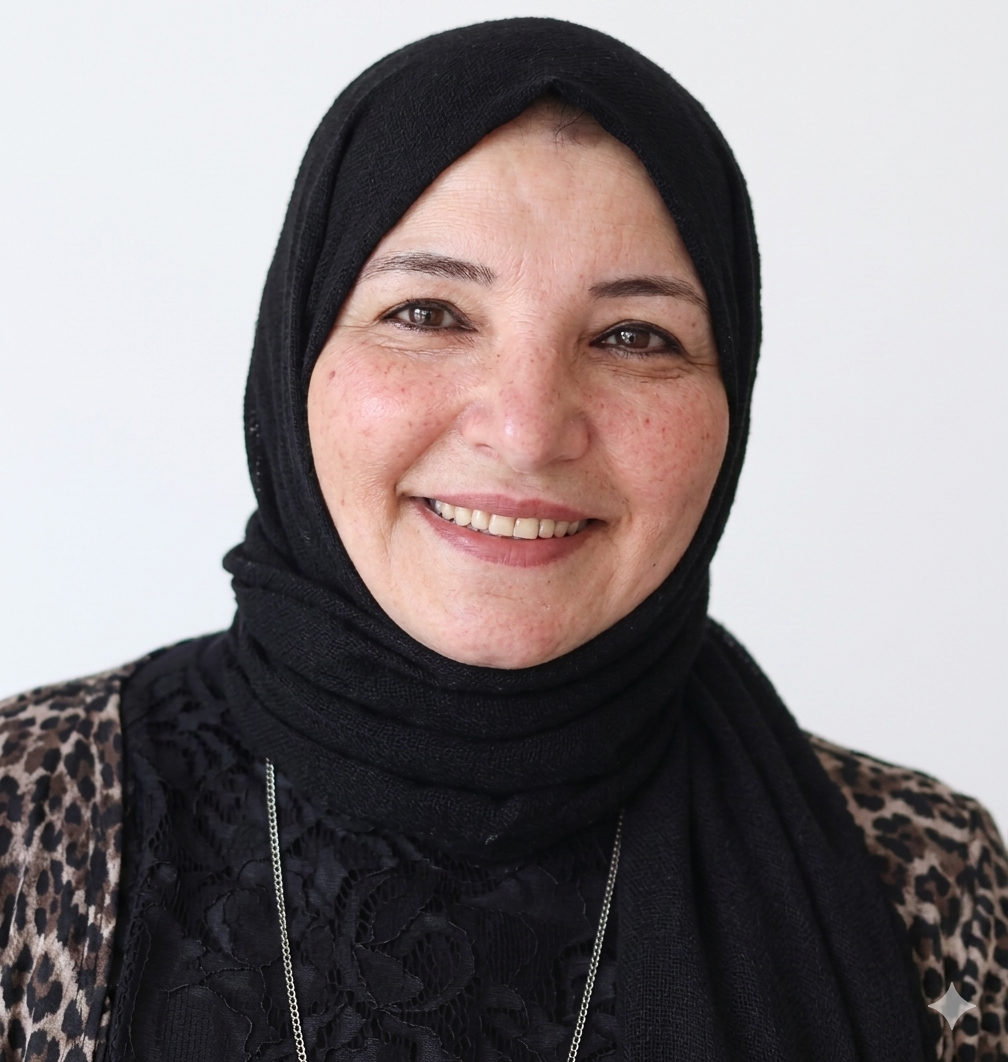
Meet Director

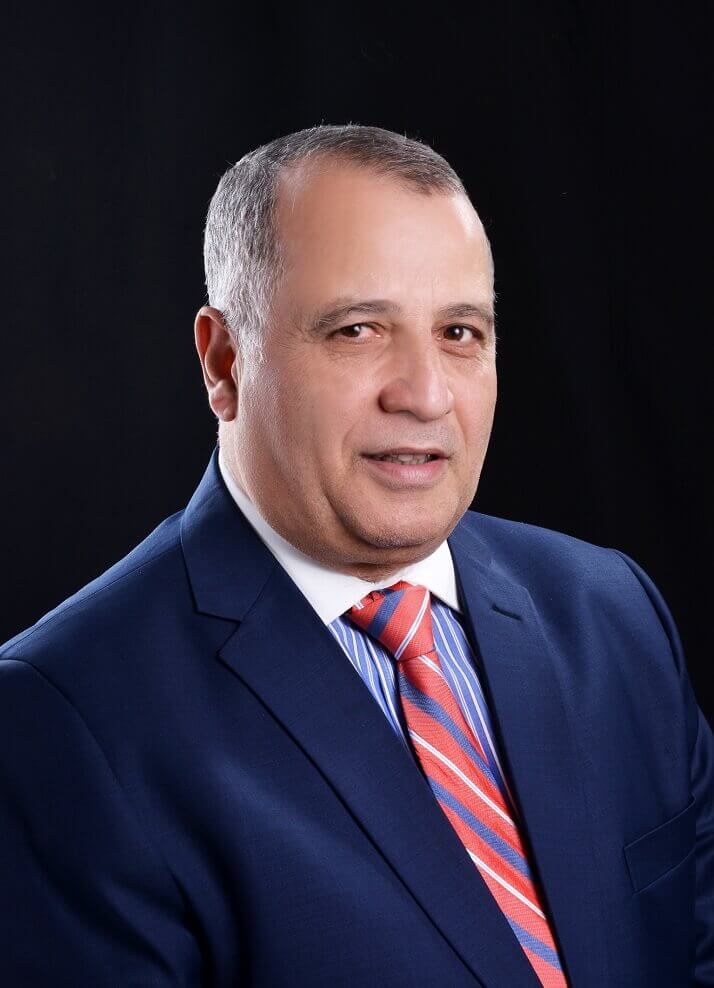
Major General (Ret.) Mohamed ElKeshky, Ph.D.

A decorated military veteran, Major General Mohamed Elkeshky is a seasoned leader and diplomat with extensive experience in military strategy and foreign relations. Rising through the ranks of the Egyptian Armed Forces to the role of Major General and Assistant Minister of Defense for Foreign Affairs, he has held multiple key command and diplomatic posts both in Egypt and abroad.
MG Elkeshly complemented his military career with a Master of Science in National Security Strategy from the prestigious National War College at the National Defense University (NDU), Washington, D.C., and a Ph.D. in National Security Strategy from the Military Academy for Postgraduate and Strategic Studies.
MG ElKeshky’s operational and diplomatic experience includes commanding a battalion during Operation Desert Storm (1991), serving as Deputy Defense Attaché in London (1996–1998), and as Defense Attaché in Washington, D.C. (2009–2013). During his tenure in Washington, he was elected Dean of the Military Attaché Corps, leading a community of over 170 military attachés from around the world.
In recognition of his exceptional contributions, he was awarded the Legion of Merit by the President of the United States (2013) and the Order of the Republic – First Class by the Egyptian government, along with numerous other national and international military honors.
His passion for leadership, research, and global cooperation continues through his current role as Senior Advisor to the Board of Trustees at Badr University in Cairo and as Director for the Centre of Global Affairs.
Know More

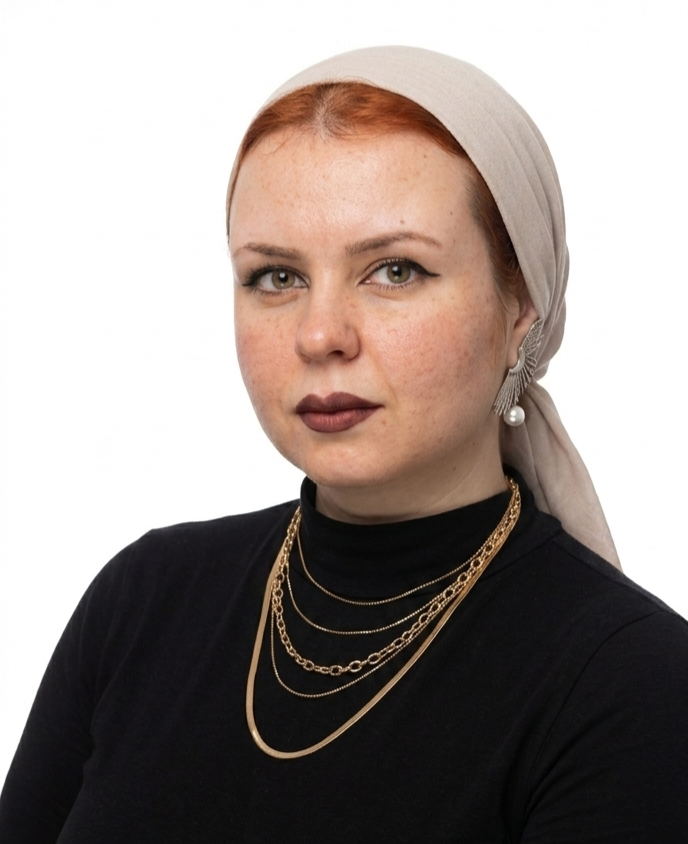
Meet Senior Researcher and Analyst

Tarek Abdel Raouf

Tarek Abdelraouf graduated with a Masters of Arts in Global Affairs with a concentration in Global Risk and Corporate Responsibility from Florida International University’s Steven J. Green School of International and Public Affairs (SIPA).

During his time in the United States of America, Tarek spent his undergraduate and graduate years working in different capacities with multiple organizations such as The International Rescue Committee, The Impact Economy Foundation, and Big Brothers Big Sisters of Miami; he was also a board member for the United Nations Association of Miami chapter.

Tarek’s research interests are in: The Sustainable Development Goals, Impact Economy, Education, Sustainability, and Public policy, among others.

Know More

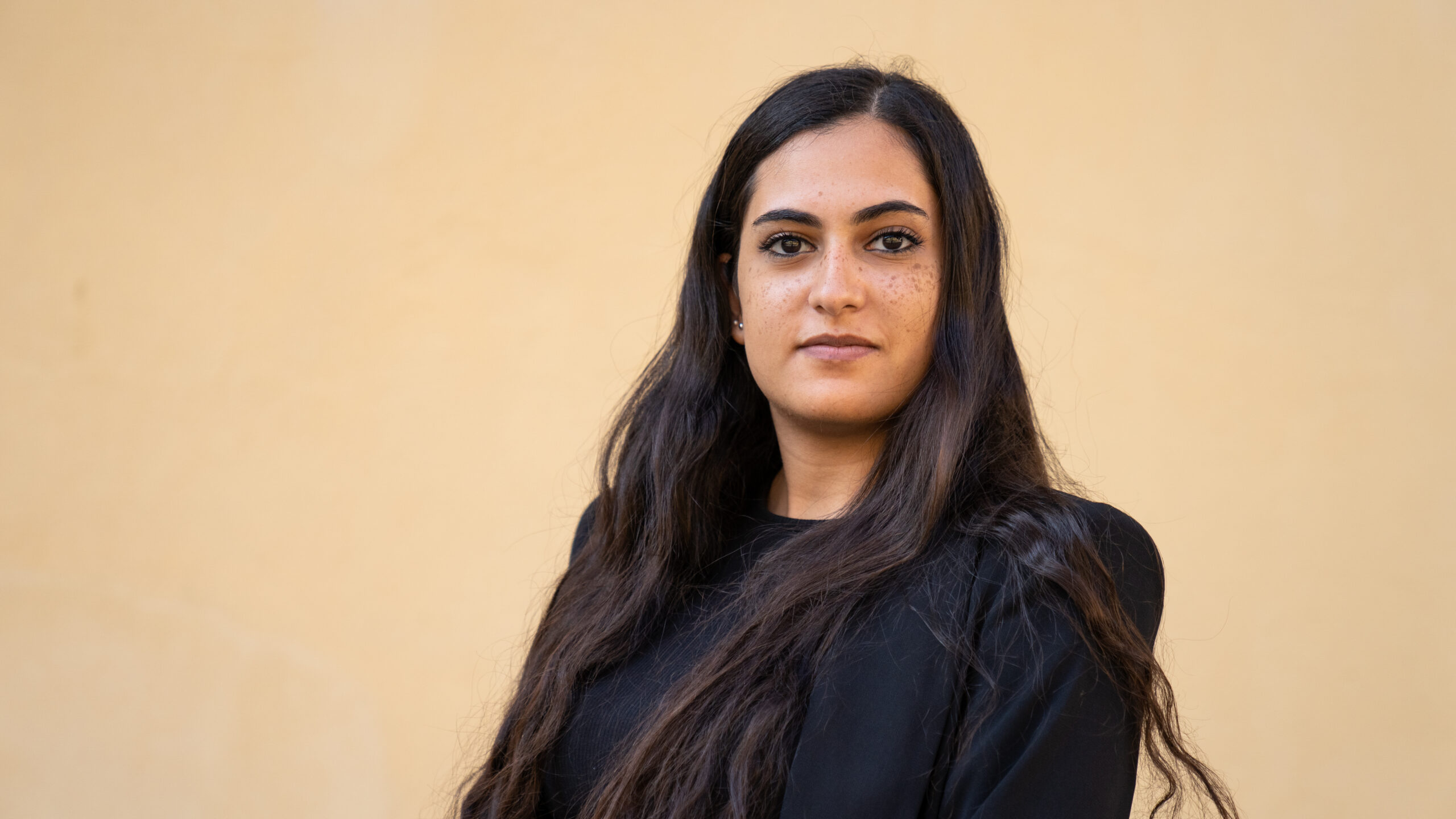
Meet Researcher

Jouna Khaldoun

Jouna Khaldoun graduated from the American University in Cairo (AUC) with a Bachelor’s degree in Political Science, a double specialization in Middle East Politics and International Relations, and a Minor in History.  As a fresh graduate, her career started as an Executive Manager in a LegalTech startup “Hekouky” to facilitate legal assistance. She also took part in an internship program by UNICEF Egypt where she conducted research and report-writing. She began her journey at the BUC Centre for Global Affairs as a research intern for 3 months and is now a Junior Researcher at the Centre.

Jouna’s research interests include International Security, Middle East Politics, History of Colonialism, Public and International Law, Women and Gender Studies, Public Policy, and many others

Know More

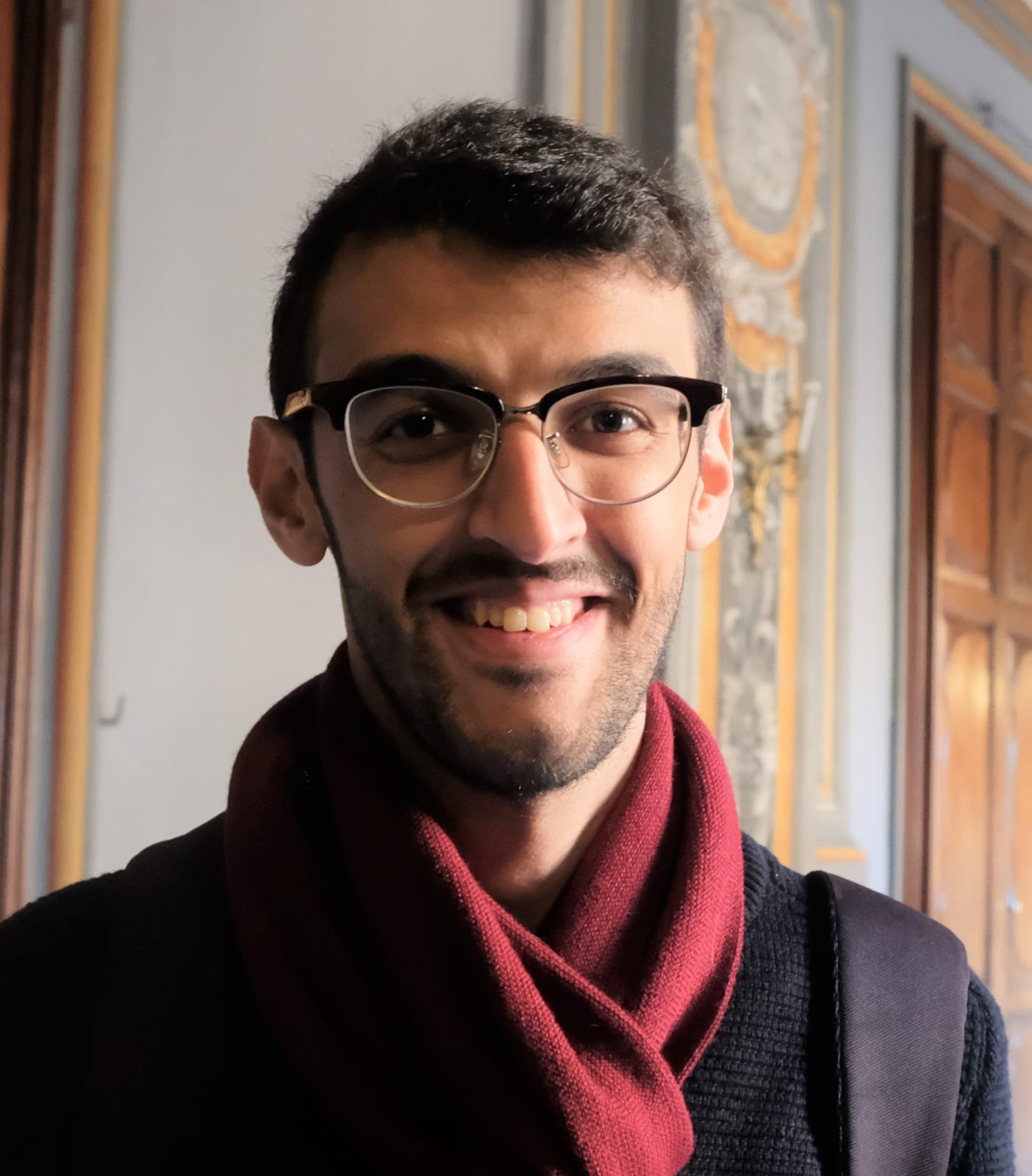
Meet Researcher

Adham Shebl

Adham Shebl graduated with a Masters of Arts in Political Science with a specialization of International Relations from the American University in Cairo (AUC).

After his graduation, Adham was a post-MA fellow at AUC’s “Extimacies: Critical Theory from the Global South”. During the fellowship he participated in colloquiums and workshops studying the works of Jacques Lacan. After the fellowship, Adham was a credit-risk analyst at GlobalCorp. During his time as an analyst, he was tasked with conducting industry analysis and preparing credit packages for prospective clients.

Adham’s research interests include Security Studies, History of Imperialism, Development of Capital Relations, National Identity and Formation of Political Subjectivity.

Know More

Publications

Op-Ed

Sudan’s Displaced Millions the World Chooses Not to See

In Sudan’s shattered neighbourhoods, families huddle in makeshift shelters, afraid to step outside. Sudan is currently the world’s largest displacement crisis, dubbed the ‘epi-centre of human suffering ’by the UN Relief Chief, with over 14.5 million people-5 million of whom are children- internally and externally displaced. That is nearly one-third of the population of Sudan. It is not just the violence that prevents people from returning home, but also the threat of unexploded weapons. It will have a huge generational impact unlike other previous conflicts, where in the past even while there was ongoing conflict citizens were still able to access healthcare facilities or other essential services. The crisis is particularly atrocious in Sudan because unlike most other conflicts, the war is mainly occurring in urban areas. Yet, the world barely notices. The question is why?

Nour Ghali

2025-11-01

Op-Ed

The Invisible Trade Walls: How climate standards shift decarbonization costs to developing nations

While we often think of trade in terms of ships and tariffs, the reality is governed by rules set out in technical manuals and footnotes. The World Development Report (WDR) 2025, which was published last December, highlighted an important fact about development. For developing nations to improve their citizens’ quality of life, active involvement in international trade is required. To take part in global trade, exports from developing nations must meet strict requirements for measurement, compatibility, quality, and safety. These rules and standards now affect nearly 90% of trade, serving as the hidden foundation of prosperity for those who meet them and a gatekeeper for those who do not.

Shady Hassan

2026-01-01

Op-Ed

The ‘iPad Kids’ Generation and how to stop the digital erosion of childhood

We’ve all seen it: the ‘iPad trance.’ It is the defining image of the ‘iPad Kids ’generation, where a toddler in a stroller or a child at the dinner table, eyes glazed and thumb swiping, oblivious to the barking dog or the surrounding din of conversation. In the classroom, the scene is similar, with fingers tapping on glass instead of pencils scratching on paper. For a decade, we’ve marketed these devices as windows to the world. But for the ‘iPad kid,’ the screen is increasingly becoming a wall that can inadvertently shut out the world’s sensory richness and social interactions necessary for healthy development.

Nour Ghali

2026-01-01

Policy Paper

Social Media and Egyptian National Security.

Social media has become a fixed component in the lives of Egyptians. Over the past decade and half, it has had a profound impact on Egyptian society and politics. In its evolution, it has proved to be a force for positive change as well as a potential threat to be exploited by nefarious actors. Read more about the dangers posed by social media and the possible frameworks for resolving these dangers in Seif Hendy’s latest publication – “Social Media and Egyptian National Security.”

Seif Hendy

2022-11-07

Policy Paper

Thawing Capital Strikes: Private Investments in Egypt and the State.

Egyptian private investment’s role in the Egyptian economy is declining. Such a development results in the Egyptian public sector being forced to increase its investment spending, which removes funds from social safety nets and public services. The government is aware of this problem and seeks to encourage the rise of private investments in the country. However, there seems to be a missing link between the investors, manufacturers, and the government. Read more about the challenges and possible solutions for developing official communication channels between all necessary parties in Adham Shebl’s latest publication – “Thawing Capital Strikes: Private Investments in Egypt and the State.”

Adham Shebl

2022-09-14

Policy Paper

Public Education in Egypt

Education serves as one of the most essential building blocks for sustained growth and development within any given society. Egypt’s education system, as of 2019, ranked 134 out of 144 according to indicators issued by the World Economic Forum. This paper analyzes the underlying factors that hinder education in Egypt. Additionally, this paper looks at current policies that seek to improve that situation and proposes future pathways of developing the Egyptian education system. Read more about the challenges and future of Egypt’s education system in Jouna Khaloun’s latest publication – “Public Education in Egypt.”

Jouna Khaldoun

2022-09-07

Research Paper

The Slippery Slope of the Egyptian Middle Class

How is the Egyptian middle class faring in its plight? A question inevitably raised in the face of the culminating economic challenges faced by the Egyptian economy nowadays. Strong empirical evidence categorizes the middle class as the primary measure for successful economic reform. If the enacted reforms preserve this class, it is an indicator of a successful trajectory. To find out more on how subsidy cuts, currency flotation, progressive income tax and high inflation have sturdily hit an already hollowed-out middle-class, read Jouna Khaldoun’s paper titled “The Slippery Slope of the Egyptian Middle Class”.

Jouna Khaldoun

2022-05-24

Research Paper

The Kievan Dialogue: Thucydides in Eastern Europe

The Russian invasion of Ukraine shows us the key elements required to de-escalate a military conflict. Concessions and compromises are the keystones of negotiations between equal parties. However, if one of the parties perceives the relationship to be unequal then negotiations turn to demands and dialogue halts. Read more about the ongoing invasion and pathways of possible de-escalation or further intensification in Adham Shebl’s paper: “The Kievan Dialogue: Thucydides in Eastern Europe.”

Adham Shebl

2022-04-26

Op-Ed

Beyond Our Borders: Analyzing Egypt’s Security Threats

Egypt serves as a bridge between Africa, Asia and Europe, its location sets it in a prime position that offers tremendous potential for the country’s economy and tourism sectors. Yet, Egypt faces multiple security hurdles that can impact its way forward. Read more about the challenges facing Egypt in Tarek Abdelraouf’s latest publication – “Beyond Borders: Analyzing Egypts Security Threats”

Tarek Abdelraouf

2022-07-05

Policy Paper

A Libyan Model for Libyan State-Building

10 years after the fall of Gadhafi, Libya still remains as fractured as ever. Although international efforts pushed for parliamentary and presidential elections last December, debates around whether Libya is ready or not, constitutes a point of contention. Libya is still facing abounding security, institutional and state-building challenges, thus why the electoral process has been delayed until further notice. Nonetheless, there are serious interrogations as to whether the elections provide and sustain what Libya needs. To find out more about how the Libyan crisis does not require a “western reform agenda” but rather calls for more Libyan-tailored solutions, check out Jouna Khaldoun’s policy paper.

By Jouna Khaldoun

2022-01-10

Research Paper

Climate Gender Nexus

Climate change is not gender neutral. The Climate-Gender nexus is a product of the detrimental effects that climate change has on the world, specifically how climate change increases women’s vulnerability more so than it does men. In order to address the nexus the world must address both climate change and gender inequality in-tandem. Read more about the Climate-Gender nexus and possible ways to address it in Tarek Abdelraoufs paper: The Climate Gender Nexus: Climate Change is not Gender Neutral.

By Tarek Abdelraouf

2022-01-10

Contact CGA

Address

Second Floor, Student Activities Building, Badr University, Badr City, Cairo, Egypt

Email

cga@buc.edu.eg

Close Menu